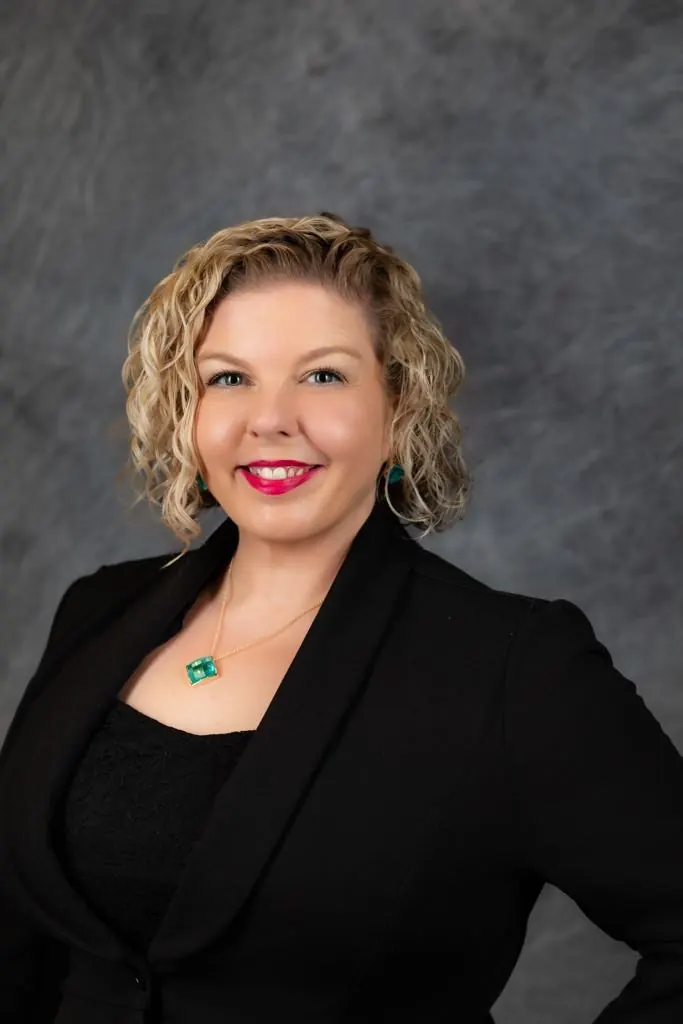
Meet the Founder
Where we begin
If there’s something happening in your family that you’re struggling to understand, or you’re preparing for a decision and aren’t sure what questions you should be asking, we can start there.
You don’t need to arrive with your entire history organized, and you certainly don’t need to have everything figured out.
Tell me what you’re dealing with and what you’re trying to accomplish. We’ll work through what matters, what still needs to be understood, and what options may be worth exploring.
That’s the kind of work I built CIC to do.
My story
The first time I testified in chambers in family court, I was three years old. I remember being promised Chuck E. Cheese and a kitten if my mom won. Decades later, I found myself in an interstate high-conflict custody case after my son was abducted, only to discover that default orders had been entered two states away.
When I realized my son wasn’t coming home during my divorce, I faced a crossroads. I could either compose myself, learn everything I could about the family court system, and figure out how to fight for him, or I could fold. Quitting was never an option.
My marriage had involved different forms of domestic violence, and leaving didn’t mean the violence ended. It continued by proxy after I found the courage to leave. For a year and a half, I searched for my son. When I finally tracked him down, I learned that my former husband had obtained a default judgment awarding him sole custody.
I began looking for answers, but the terminology we use today wasn’t readily available to me then. I lived in a state that still recognized lawsuits for alienation of affection, so I started searching for alienation of affection of a child. That search led me into research on parental alienation, attachment-based models of pathogenic parenting, and the behavioral science I believed could help explain what I was witnessing.
I didn’t have the luxury of waiting for someone else to figure everything out for me. I studied statutes, court rules, evidence, and the legal process while trying to understand the behavioral dynamics affecting my family. I began educating school counselors, anonymously sent books to the court’s law library and the judge, and used what I was learning to prepare for the developments I believed were coming. I even described and anticipated behaviors and outcomes while testifying.
Eventually, I succeeded in reversing custody and bringing my son home.
But getting him home wasn’t the end of the story.
I became painfully aware of how much work still lay ahead of us. I drew on my own childhood experiences, revisited the attachment-based concepts I’d studied, and began trying different approaches to help my son recognize and respond to the behaviors he was continuing to encounter. My goal was to help him develop his own ability to recognize concerning dynamics and maintain a healthier sense of himself and our relationship.
Those experiences changed the way I understood what it means to help a family through a custody dispute. A court can issue an order, but that doesn’t automatically repair the effects of everything that happened before it. The work of rebuilding a relationship, creating healthier boundaries, and helping a child navigate ongoing family dynamics may continue long afterward.
I began helping other parents recognize concerning behaviors, organize what they were experiencing, and consider practical safeguards and interventions. Much of that work involved helping them communicate what was happening in a way that attorneys and courts could meaningfully evaluate, rather than expecting those professionals to understand years of history from a few disconnected incidents.
And when some of those parents were reunited with their children, I continued helping them through the challenges that followed. I began seeing approaches that appeared useful across more than one family, although every situation still required its own careful consideration.
At the same time, I brought a professional background in HR, compliance, training, and systems development to the work. I’d spent years translating complicated requirements into practical processes people could actually follow, maintaining records, identifying gaps, and making sure important responsibilities didn’t get lost in the day-to-day.
It turned out that those skills were useful in an entirely different setting.
I wasn’t simply interested in helping someone collect information. I wanted them to understand what the information could establish, what it couldn’t, what questions still needed answers, and what practical steps might be worth discussing with the appropriate professionals.
Eventually, after losing a mentor unexpectedly and entering therapy, I found myself helping someone we both knew. My therapist asked me a simple question:
Why don’t you start a company educating people about this?
And, well, here we are.
The work today
My job isn’t to make legal or clinical decisions for someone. I’m a consultant. I help parents understand their circumstances, organize their information, examine possible approaches, and prepare to advocate for themselves with the professionals responsible for those decisions.
CIC grew from that experience. You can read about the organization and its approach, or learn about working with me.
Working together
If you’d like to talk about what you’re dealing with, Working With Us explains how to get started.
Please keep private case records out of the initial inquiry.